


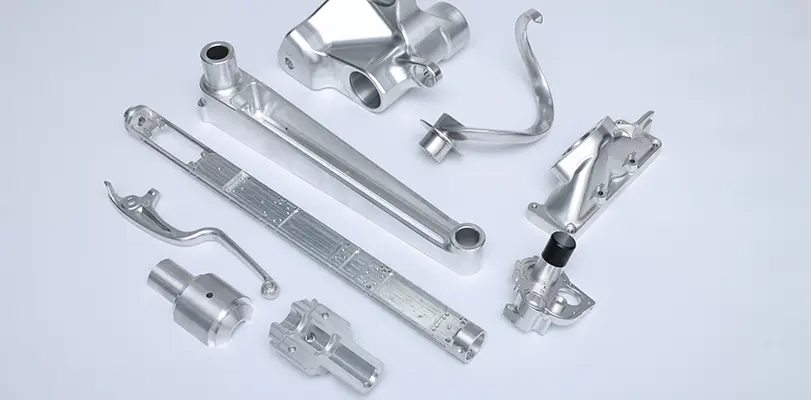
What Is CNC Machining?
CNC machining is one of the most widely used manufacturing processes for producing accurate metal and plastic components. From automotive parts and industrial machinery to electronic equipment and automation systems, CNC machining is commonly used when manufacturers need consistent dimensions, complex geometries, and reliable production quality.
For industrial buyers, understanding how CNC machining works can make it easier to select the right machining process, material, tolerance, and manufacturing supplier for a specific project.
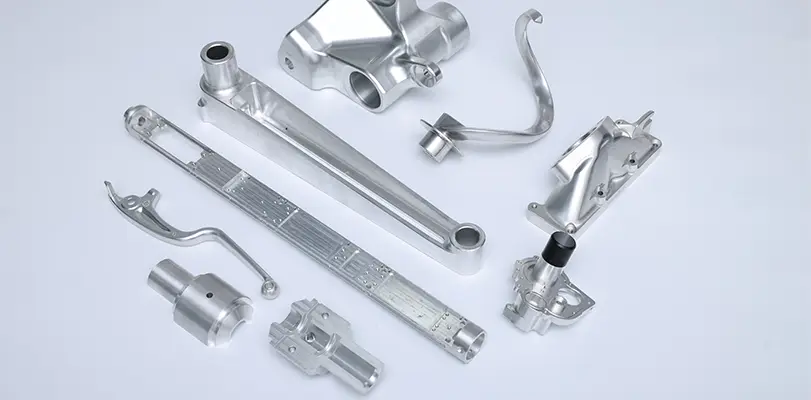
What Is CNC Machining?
CNC machining stands for Computer Numerical Control machining. It is a manufacturing process in which computer-controlled machine tools remove material from a workpiece to create a finished component according to a digital design.
Unlike manual machining, CNC machines follow programmed tool paths generated from engineering drawings or CAD models. This allows manufacturers to produce components with repeatable dimensions and complex shapes.
Common CNC machining processes include CNC milling, CNC turning, drilling, boring, tapping, and other precision machining operations.
How Does CNC Machining Work?
A typical CNC machining process starts with a customer's technical drawing or 3D CAD model. Engineers then determine the appropriate material, tooling, machining sequence, cutting parameters, and inspection requirements.
The basic CNC machining workflow usually includes:
Drawing or CAD File Review: The customer's design is reviewed for dimensions, tolerances, materials, and machining requirements.
Material Preparation: The required metal or plastic material is prepared according to the project specification.
CAM Programming: Tool paths are generated based on the CAD model and machining strategy.
Machine Setup: The workpiece, cutting tools, fixtures, and machine parameters are prepared.
CNC Machining: The machine removes material according to the programmed tool paths.
Surface Treatment: Additional processes such as anodizing, sandblasting, polishing, or plating can be applied when required.
Quality Inspection: Finished dimensions and critical features are checked against the approved drawing.
What Materials Can Be CNC Machined?
CNC machining can be used with a wide range of engineering materials. The appropriate material depends on the mechanical, thermal, electrical, weight, corrosion, and application requirements of the final component.
Aluminum
Aluminum is widely used for CNC machining because of its lightweight construction, machinability, and suitability for various surface treatments. Common aluminum grades include 6061 and 6063.
Stainless Steel
Stainless steel is often selected when higher corrosion resistance, strength, and durability are required.
Carbon Steel
Carbon steel can be used for mechanical components that require strength and wear resistance.
Copper and Brass
Copper and brass are suitable for components requiring electrical conductivity, thermal conductivity, or specific machining characteristics.
Engineering Plastics
Materials such as POM, PA, PTFE, and other engineering plastics can also be CNC machined for lightweight or electrically insulating components.
CNC Milling vs. CNC Turning
CNC milling and CNC turning are two common machining processes, but they are designed for different types of components.
| Feature | CNC Milling | CNC Turning |
|---|---|---|
| Main Movement | Rotating cutting tools | Rotating workpiece |
| Typical Parts | Brackets, housings, plates, complex structures | Shafts, bushings, pins, cylindrical parts |
| Suitable Geometry | Prismatic and complex shapes | Round and rotational parts |
What Are the Advantages of CNC Machining?
High Dimensional Accuracy
CNC machining allows manufacturers to produce components according to precise engineering specifications. Tight tolerances can be achieved for critical features when the design, material, machine, tooling, and process are properly controlled.
Repeatable Production
Once a machining program and process have been validated, the same production process can be repeated for larger quantities, helping maintain consistency between batches.
Complex Geometries
CNC machines can produce complex structures that may be difficult to manufacture using conventional machining methods.
Flexible Customization
CNC machining is suitable for custom mechanical components because dimensions, hole positions, structures, and machining features can be changed according to customer drawings.
Suitable for Prototypes and Mass Production
CNC machining can be used for prototype development as well as small-batch and large-volume production, depending on the component design and production requirements.
What Is Custom CNC Machining?
Custom CNC machining refers to manufacturing non-standard components according to a customer's drawings, CAD files, samples, or technical specifications.
This approach is commonly used by industrial equipment manufacturers, automotive companies, automation equipment manufacturers, electronics companies, and other B2B customers that require components designed specifically for their products.
A custom CNC machining project may involve customized dimensions, materials, tolerances, surface treatments, mounting holes, threads, or complex geometries.
How to Choose a CNC Machining Supplier?
When selecting a CNC machining supplier, industrial buyers should evaluate more than the quoted unit price. Manufacturing capability, quality control, material availability, production capacity, communication, and delivery reliability can all affect the success of a project.
Important factors include:
CNC machining capabilities
Available machine types and machining axes
Material capabilities
Dimensional tolerance control
Surface treatment options
Quality inspection procedures
Prototype and mass production capabilities
OEM and ODM support
Production lead time
Applications of CNC Machined Parts
CNC machined components are widely used across industrial sectors, including:
Automotive parts
New energy equipment
Industrial automation
Robotics
Electronic equipment
Communication equipment
Industrial machinery
Precision instruments
FAQ About CNC Machining
1. What does CNC machining mean?
CNC machining means Computer Numerical Control machining. It uses computer-controlled machine tools to remove material from a workpiece according to programmed tool paths.
2. What is CNC milling used for?
CNC milling is commonly used to manufacture brackets, housings, plates, connecting components, structural parts, and other components with flat surfaces, holes, pockets, slots, and complex geometries.
3. What materials can be CNC machined?
Common materials include aluminum, stainless steel, carbon steel, copper, brass, and engineering plastics. The best material depends on the requirements of the finished component.
4. Can CNC machining be used for custom parts?
Yes. CNC machining is widely used for custom parts manufactured from customer drawings, CAD files, samples, or technical specifications.
5. Is CNC machining suitable for mass production?
Yes. Once the machining process has been validated, CNC machining can be used for repeat production and larger quantities while maintaining consistent manufacturing parameters.
6. What information should I provide when requesting a CNC machining quotation?
It is recommended to provide a 2D drawing or 3D CAD file, material specification, quantity, required tolerance, surface treatment, and any special inspection requirements.